
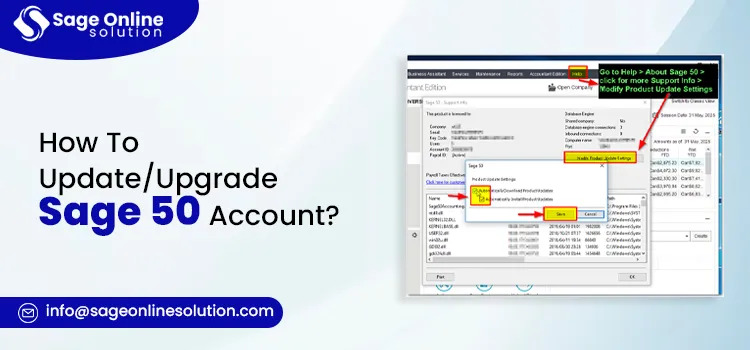
When your business outgrows its current accounting software, knowing when and how to upgrade from Sage 50 becomes crucial for maintaining operational efficiency. Many businesses reach a point where their existing system no longer meets their expanding needs, prompting them to explore more robust solutions. If you're experiencing performance issues or need advanced features, professional support is available at +1(844)341-4437 to help you navigate your upgrade from Sage 50 seamlessly.
Sage 50 has served countless small to medium-sized businesses effectively for years, but as companies grow, they often require more sophisticated tools for financial management, inventory control, and reporting capabilities. Understanding your upgrade options and the process involved can help you make informed decisions that align with your business objectives and minimize disruption to daily operations.
Understanding When You Need an Upgrade
Before diving into the upgrade process, it's essential to recognize the signs that indicate your business has outgrown Sage 50. Common indicators include frequent system slowdowns, inability to handle increased transaction volumes, limited user access, inadequate reporting features, or the need for more advanced inventory management capabilities. When multiple users experience performance issues or when your data file approaches its size limitations, these are clear signals that an upgrade is necessary.
Additionally, businesses expanding into multiple locations, requiring enhanced multi-currency support, or needing industry-specific functionality often find that Sage 50's capabilities become restrictive. The software's limitations in handling complex business structures, consolidated reporting across entities, or sophisticated workflow automation can hinder growth and efficiency.
Upgrade from Sage 50 to Sage 100
The transition from Sage 50 to Sage 100 represents a significant leap in functionality and scalability. Sage 100 is designed for growing businesses that need more robust features while maintaining familiarity with the Sage ecosystem. This upgrade provides enhanced multi-user capabilities, supporting larger teams working simultaneously without performance degradation.
Sage 100 offers advanced inventory management features, including multiple warehouses, lot and serial number tracking, and sophisticated purchasing workflows. The financial management capabilities expand significantly, with more detailed general ledger options, enhanced budgeting tools, and comprehensive audit trails that meet stricter compliance requirements.
The upgrade process from Sage 50 to Sage 100 requires careful planning and data migration. Your historical data needs proper conversion to ensure continuity in financial reporting and maintain audit trails. Professional implementation services can streamline this transition, ensuring that chart of accounts, customer records, vendor information, and transaction history transfer accurately.
Training becomes crucial during this upgrade, as Sage 100's interface and functionality differ from Sage 50. Team members need time to adapt to new workflows, enhanced features, and different navigation structures. Allocating adequate training resources and allowing a transition period helps maintain productivity during the changeover.
Upgrade Sage 50 to Sage 200
For businesses requiring enterprise-level capabilities, upgrading Sage 50 to Sage 200 provides comprehensive solutions for complex organizational needs. Sage 200 caters to larger enterprises with multiple departments, international operations, or sophisticated reporting requirements. This platform offers extensive customization options, advanced business intelligence tools, and scalable architecture that grows with your organization.
Sage 200 excels in handling multi-company operations, consolidated financial reporting, and complex approval workflows. The system supports advanced manufacturing processes, project accounting, and sophisticated CRM integration. These capabilities make it ideal for businesses with annual revenues exceeding several million dollars or those operating across multiple countries.
The migration from Sage 50 to Sage 200 represents a substantial transformation in how your business manages financial and operational data. This upgrade requires comprehensive planning, including business process review, system customization, and extensive user training. Data migration becomes more complex given the significant architectural differences between platforms.
Organizations should expect a longer implementation timeline when moving to Sage 200, typically ranging from several weeks to months depending on complexity. This period includes data preparation, system configuration, custom report development, integration with other business systems, and thorough testing before going live.
Sage 50 Upgrade Issues
Understanding common Sage 50 upgrade issues helps organizations prepare adequately and avoid potential pitfalls. Data corruption represents one of the most serious concerns, where improper migration procedures or system conflicts result in lost or inaccurate information. Regular backups before initiating any upgrade process provide essential protection against data loss.
Compatibility problems frequently emerge when upgrading, particularly concerning third-party applications, custom reports, or integrated systems. Existing integrations with e-commerce platforms, CRM systems, or specialized industry software may require updates or reconfiguration after upgrading Sage 50. Testing these integrations thoroughly in a sandbox environment before implementing changes in production prevents operational disruptions.
Performance issues sometimes arise post-upgrade, especially when hardware infrastructure doesn't meet the new version's requirements. Adequate server capacity, sufficient RAM, and proper network configuration ensure optimal performance. Database optimization and regular maintenance become increasingly important as your Sage system handles growing data volumes.
User adoption challenges shouldn't be underestimated. Employees comfortable with existing workflows may resist changes or struggle with new features. Comprehensive training programs, clear documentation, and ongoing support help teams transition smoothly and leverage new capabilities effectively.
Sage 50 Accounts Latest Version Upgrade
Keeping your Sage 50 accounts at the latest version ensures access to newest features, security patches, and performance improvements. Regular version upgrades maintain software stability, compliance with current tax regulations, and compatibility with modern operating systems. Sage releases annual updates that include enhanced functionality, improved user interfaces, and critical security enhancements.
The latest version upgrade process typically involves downloading update files, backing up existing data, and running installation procedures. While often straightforward, complications can arise from custom modifications, third-party add-ons, or unusual system configurations. Reading release notes carefully helps identify potential conflicts and prepare accordingly.
Before upgrading to the latest version, verify that all integrated applications support the new release. Contact third-party vendors to confirm compatibility and obtain any necessary updates. This proactive approach prevents situations where upgraded Sage 50 cannot communicate with other critical business systems.
Testing in a non-production environment allows you to identify issues before they affect daily operations. Create a backup copy of your live data, restore it to a test system, and perform the upgrade there first. This practice enables you to experience the upgrade process, identify potential problems, and develop solutions without risking your operational data.
Upgrade Sage 50: Best Practices and Preparation
Successful upgrades require methodical planning and preparation. Start by documenting your current system configuration, customizations, and integrations. This inventory helps identify elements requiring special attention during migration and ensures nothing gets overlooked. Create detailed process documentation showing how your team currently uses Sage 50, highlighting critical workflows and custom reports.
Engage stakeholders early in the upgrade process. Department heads, power users, and IT staff should participate in planning discussions to ensure the new system meets diverse organizational needs. Their input helps identify required features, prioritize customizations, and develop realistic timelines.
Budget appropriately for your upgrade project, considering not just software costs but also implementation services, training, potential hardware upgrades, and temporary productivity losses during transition. Hidden costs often emerge during upgrades, so building contingency funds into your budget prevents surprises.
Schedule upgrades during slower business periods when system downtime causes minimal disruption. Avoid month-end, quarter-end, or year-end periods when financial teams need uninterrupted access to accounting systems. Communicate timelines clearly to all affected users, providing regular updates throughout the process.
Conclusion
Upgrading from Sage 50 represents a significant investment in your business's future, whether moving to Sage 100, Sage 200, or simply updating to the latest version. Understanding your options, preparing thoroughly, and addressing potential challenges proactively ensures successful transitions that enhance rather than disrupt operations. Professional guidance throughout the upgrade process helps navigate technical complexities, optimize system configuration, and maximize return on your technology investment.